
Gardening is just about one of the most wholesome hobbies on the planet! Not only will you create a gorgeous outdoor living space, but you’ll improve your well being throughout the process. Gardening isn’t just about choosing a few flowers or planting tomatoes; it’s important to create a healthy environment so that your plants can thrive. To get yourself a healthier garden, simply follow these five tips.
1. Try mulch
Mulch refers to any type of material laid on top of the soil; it functions as a protective covering. Many things can be used to mulch straw, bark chips, grass clippings, or pine needles. Mulch can help your soil retain moisture, prevent weeds, ward off pests, and protect your plants’ roots. You can help the soil maintain an even temperature warmer in early spring and cooler in summer. When you use mulch, you won’t have to water your garden so often.
2. Improve your drainage
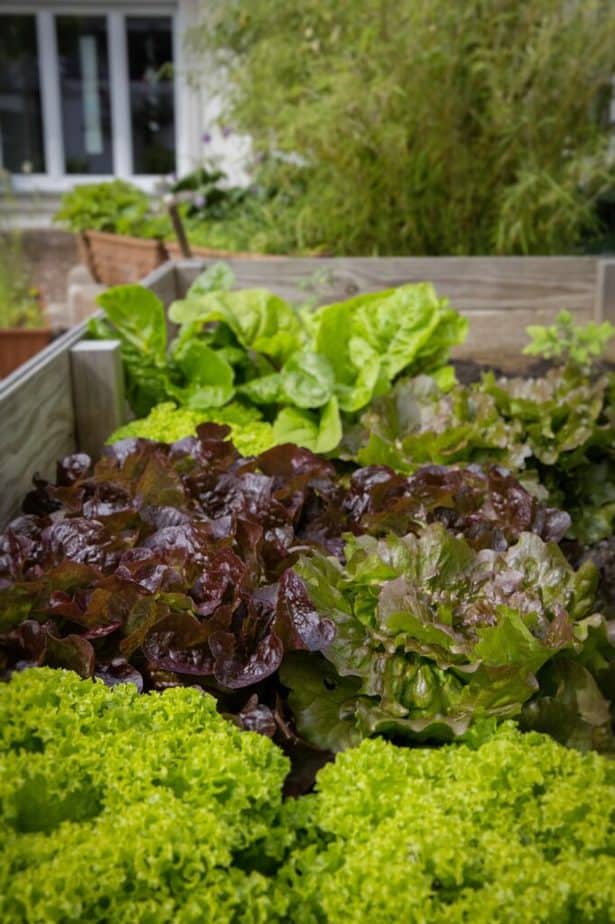
Improving your drainage can help you to create a healthier garden. One of the best ways you can improve your drainage is by using raised beds. You’ll need wooden planks, rebar, soil, newspaper, and a mallet, to make a raised bed. For further instructions, check out this DIY raised bed guide on Good Housekeeping.
Of course, if you want to skip the part where you try to work out how to do this, you can always hire a professional landscape design service instead. They will be able to bring your garden alive, help improve your drainage, and whatever else you need doing, all while making it look amazing.
3. Improve your compost
To grow a fruitful garden, you need to improve your compost. To make good compost, you’ll need to use an equal amount of carbon-rich and nitrogen-rich materials. Carbon is released by brown materials, including cardboard or wood chippings. Nitrogen is produced by green materials such as grass, vegetables, or manure. You need to shred the harder materials to help them to break down. It’s also important to turn your compost regularly to aerate the pile and speed up decomposition.
4. Try a weed eater
A weed eater, or a string trimmer, is a gardening device to cut weeds and grass. There are several different types of weed eaters that you can buy, including battery-powered, gasoline-powered, or electric. These machines use microfilament, which spins around to cut the weeds. A weed eater is pretty much a handheld lawn mower. To learn about the best types of weed eaters, click now to access the ‘Trim That Weed’ website.
5. Pest control
To create a healthier garden, you’ll need to keep the pests at bay. There are several solutions you can use to ward off pests:
- Diatomaceous earth: DE is made out of the fossilized remains of diatoms; these are tiny aquatic organisms. Using diatomaceous earth is a great non-toxic way to keep pests off your plants. Simply dust your plants with the earth; it’s effective against any insect which crawls on it.
- Neem oil: This oil is extracted from the Neem tree; it’s non-toxic to wildlife and pets but effective against insects. Neem oil is biodegradable and inexpensive. You’ll find it for sale at most online gardening stores.
You may also want to consider the immense value and beauty that bees, particularly healthy honey bees, can bring to your garden. Raising bees isn’t as intimidating as you might think, and the benefits are tremendous. These industrious insects play a key role in pollination, boosting your garden’s health and yield, and produce honey, an excellent natural sweetener. With a bit of research and preparation, beekeeping can become a fruitful part of your gardening journey. And rest assured, there’s nothing quite like the satisfaction of seeing your plants thrive thanks to the efforts of your own little colony of honey bees.
For further ideas and tips about how to make the most of your garden, check out the planting calculator for a culinary garden or School of Permaculture for your beautiful, functional, sustainable backyard (or front or side) space.