
Refacing your kitchen cabinets is a smart and budget-friendly way to transform your kitchen without the hassle of a full remodel. By replacing doors, drawer fronts, and applying a new veneer to the cabinet boxes, you can achieve a fresh, updated look while keeping the existing structure intact. However, as straightforward as the process may seem, there are common pitfalls that can compromise the final result.
From choosing the wrong materials to skipping essential preparation steps, avoiding these mistakes can ensure a seamless and stunning transformation. In this article, we’ll explore the most common errors homeowners make when they decide to reface your dated kitchen.
1. Skipping Proper Surface Preparation
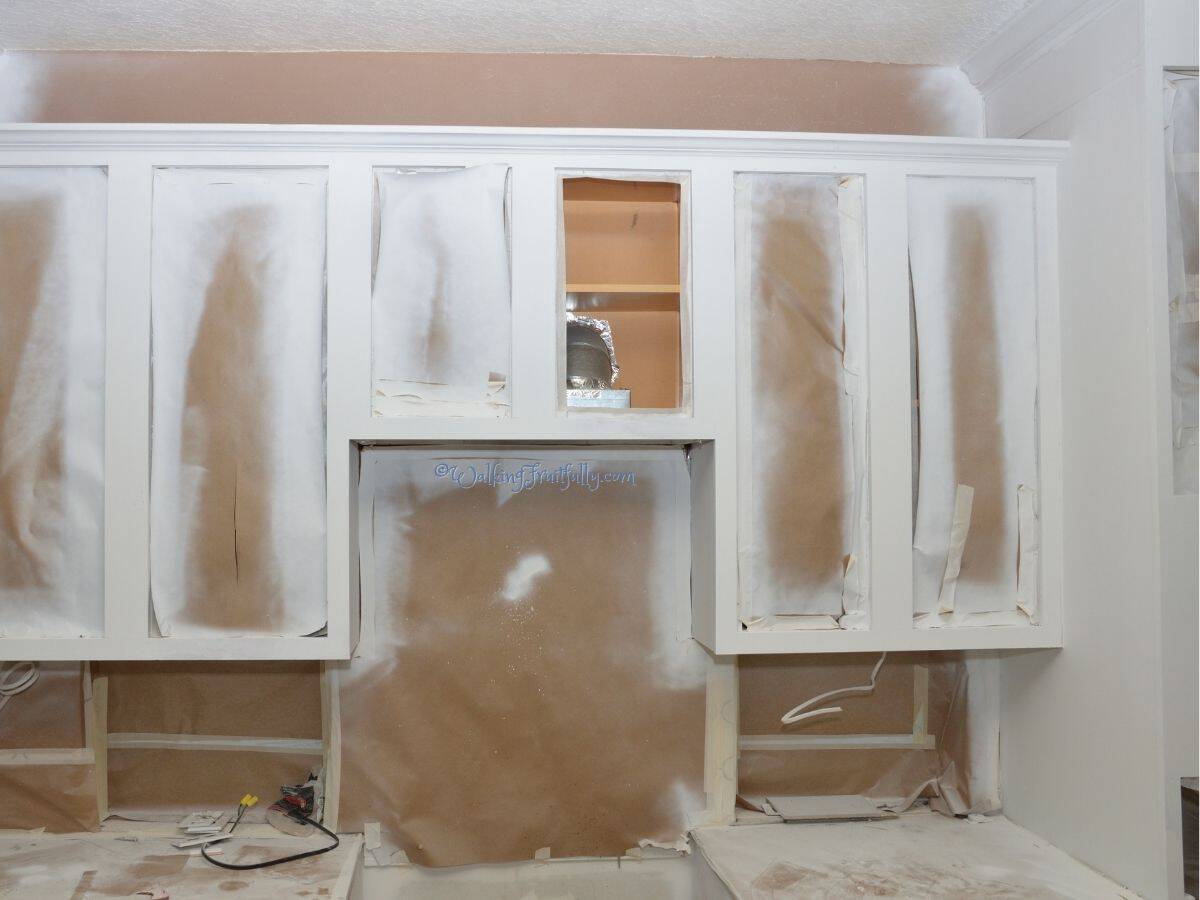
One of the most common mistakes in cabinet refacing is neglecting to properly prepare the surfaces before applying veneers or installing new doors. Dirt, grease, and grime can prevent adhesives from bonding effectively, leading to peeling or uneven finishes over time. To avoid this, thoroughly clean all cabinet surfaces with a degreaser and lightly sand them to ensure the veneer adheres smoothly. Taking the time to prep the surfaces will make a significant difference in the longevity and appearance of your refacing project.
2. Choosing the Wrong Materials
Not all veneers and replacement doors are created equal. Opting for low-quality materials can result in a less durable or visually appealing outcome. For example, thin veneers may warp or peel over time, while poorly finished doors can show wear quickly. Always choose high-quality laminates, wood veneers, or MDF materials that are built to last. If you’re uncertain about the best options, consult a professional to ensure your selections match both your design vision and durability needs.
3. Ignoring Color and Finish Coordination
A common oversight in cabinet refacing is failing to consider how the new color or finish will harmonize with the rest of the kitchen. Mismatched tones or clashing finishes can make the space feel disjointed rather than cohesive. Before committing to a color or material, consider how it complements your countertops, backsplash, and flooring. Many homeowners find it helpful to order samples and view them in their kitchen’s natural lighting before making a final decision.
4. Overlooking Hardware Upgrades
Refacing cabinets is an excellent opportunity to update outdated hardware, yet many homeowners miss this chance by reusing old handles or knobs. Worn or mismatched hardware can detract from the overall look of your newly refaced cabinets. Upgrading to modern, stylish hardware enhances the aesthetic appeal and adds a polished finishing touch. Choose hardware that matches the new cabinet style and finish to create a cohesive look.
5. Attempting DIY Without the Right Skills
While cabinet refacing might seem like a straightforward DIY project, it requires precision and attention to detail. Misaligned veneers, uneven door installation, or improperly secured hardware can lead to a less-than-professional result. If you’re not confident in your skills or lack the necessary tools, it’s worth hiring a professional to ensure the job is done right. A well-executed refacing project will save you money in the long run by avoiding costly mistakes or rework.

6. Failing to Address Structural Issues
Refacing only covers the exterior of your cabinets, so any structural problems, such as weak frames or damaged shelves, will remain hidden. Ignoring these issues can compromise the functionality and longevity of your cabinets. Before starting the process, inspect the cabinet boxes for signs of wear, sagging, or rot. Address any necessary repairs to ensure the cabinets are sturdy and ready for a facelift.
7. Neglecting to Add Personal Touches
Cabinet refacing is a chance to personalize your kitchen, yet many homeowners stick strictly to the basics. Adding custom elements like glass-front doors, soft-close hinges, or under-cabinet lighting can elevate the refacing project and make your kitchen more functional and unique. Don’t be afraid to think creatively and incorporate features that enhance both style and usability.
8. Rushing the Process
Cabinet refacing requires patience and precision, but rushing through the project can result in visible imperfections. From improperly aligned veneers to unevenly installed doors, haste can compromise the final outcome. Take your time to measure accurately, ensure surfaces are prepared correctly, and follow instructions for adhesives and finishes. A careful approach ensures a polished, professional look that you’ll enjoy for years to come.