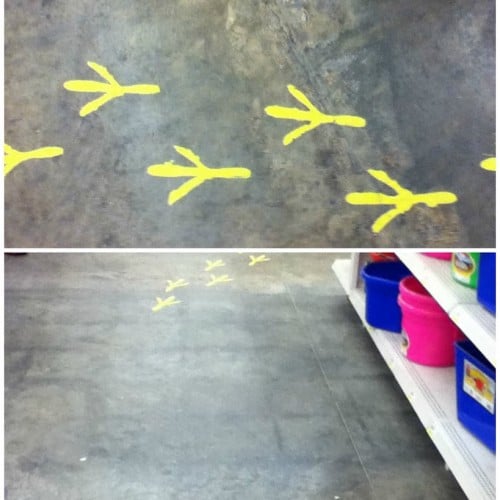

This time of year you cannot hardly enter a farm supply or feed store without hearing some peeping. Chickens are often the first animal raised when beginning to homestead. You don’t need much land, many homeowner’s associations and towns allow them (often hens only), and they are fairly easy to keep.

Those little balls of fluff sure are cute! Usually the different breeds are kept separately and labelled. You don’t always know exactly what the adult chicken will look by looking at the chicks, though. We use the internet and catalogs from the hatcheries to determine what breed(s) we want. We avoid purchasing chicks from the feed store simply because they are often handled too frequently and have poor health. They are adorable, though and it is hard to resist. If you are thinking of buying a small amount, this is your best bet.
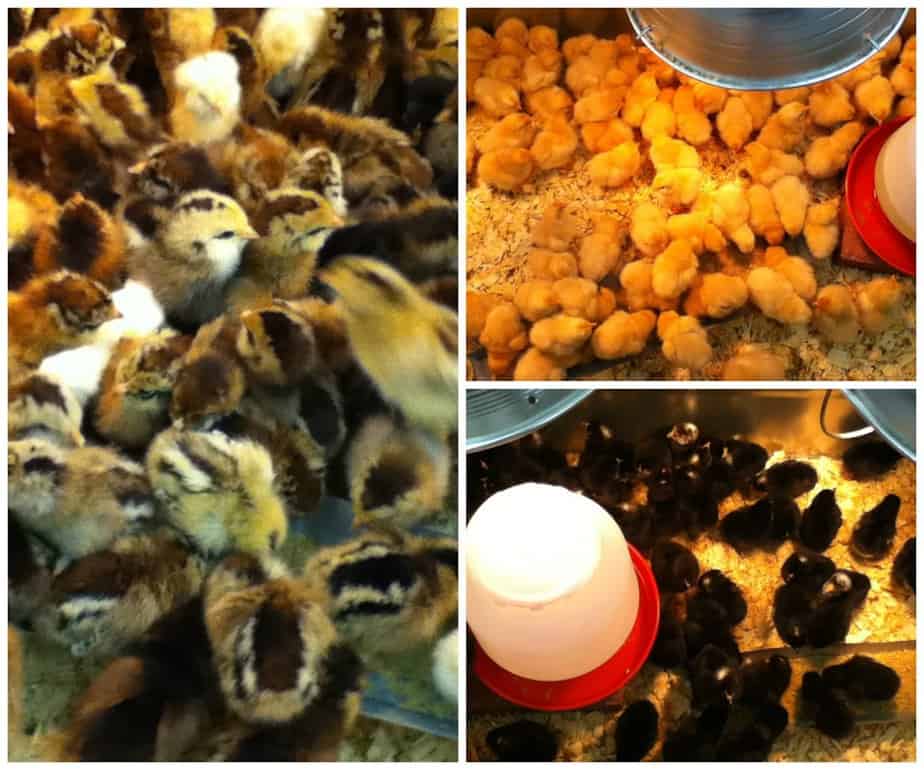
There are two hatcheries we have ordered from. The chicks are shipped out usually within hours of hatching. Because they are sent through the mail, there is a minimum amount that can be shipped. It varies from breed/size of chicken and time of year. We have only had one batch that was a “quiet box” when it arrived. Replacements were quickly sent out at no charge ~ customer service is great!
When you get your chicks home they will need to be kept somewhere they can be kept warm and have room to move about. The first time we raised chicks we had them in the house. The quiet peeping was not a problem. However, the stench after they were a few days older was unbearable — no matter how often the bedding was changed out.
Ever since then, they stay in the garage – unless we are getting a late start. If we are starting late enough in the year that freezing temperatures aren’t a concern, the chicks go straight to the brooder box. Our brooder box is a homemade design that my husband made. It has an attached run and is moveable around the yard – functioning much like a chicken tractor.
Our spring is keeping cool this year. Once our chicks arrive, they will be set up to stay a few weeks in an old galvanized stock tank. There are a few rusted through places, so we are sure to block those holes to prevent a draft. We have a heat lamp suspended in the center that can be adjusted. Over this is a piece of wire fencing to prevent the curious cats from tasting any.

The chicks are ready to go outdoors once they are fully feathered and daytime temperatures are 70 or more. If it still gets fairly cool at night, we put a heat lamp on them. We don’t add them to the mix — adult chickens — until they are nearly the same size. If introduced to the older flock too soon, there could be some losses.
There are numerous sources for plans for chicken tractors and/or hen houses. We utilized a ready to assemble metal shed (that hadn’t been assembled) for our hen house. Nest boxes were built inside and two roosts installed.
We have enjoyed the chickens we have raised. Enjoyed watching them run about the yard, catch mice on occasion, providing eggs and eating some of the excess chickens themselves. Our youngest children are even able to assist with most of their daily care. Chickens really can be for anybody!