
Growing up is always a challenge, no matter who you are. Those first years shape the people we become. From the people around you to how you spend your time and other aspects of the environment, many things contribute.
For this reason, parents have a lot of responsibility on their shoulders to bring up their kids well. Often, they don’t like to talk about it, but the pressure is real. Caregivers know that if they don’t get the balance right, it could lead to all kinds of behavioral problems.

In this post, we’re going to take a look at the anatomy of growing up. What are the essential ingredients for a happy childhood?
Lots Of Play
For adults, play seems like a luxury. You spend most of your waking time working hard and trying to build a better future. So when your kids fuss about with toys, you can struggle to see the point.
Researchers, however, see play as something essential and fundamental. They don’t view it as a way of passing the time. Instead, they see it as the most crucial development work that children do. Play engages all of their rational faculties and emotional responses. It lets them explore new ideas and get to grips with the world around them. It is a learning experience in all but name.
Play is fundamentally all about communication. It is where children work out the best strategies for interacting with each other. But unless you provide support as a parent, you can derail the activity.
Take the example of an anxious or nervous parent. If you’re continually worrying, your child will find it difficult to focus their attention on the world “out there.” Rather, they will feel pressure to divert their attention to you and manage your emotions. This change in focus takes away opportunities to explore the world. Kids have less time to master their environment.
Lots of Fun
Play and fun are highly correlated with each other, but there is a distinction. Play is hard work; fun is the payoff.
As a parent, your job should be to create situations that offer both. You want kids to expend effort trying to master the world, but you also want to reward their efforts.
The most powerful thing that you can do is push them in the direction of certain types of play. Ideally, you want to focus them on activities that offer them a hard-earned reward. You want them to feel as if they are getting something back for their efforts – that’s the fun part.
Playing a musical instrument is an excellent example of this. It is challenging, but once you get the hang of it, a lot of fun too. The same goes for sports.

Access To Pets
While psychologists tend to focus on things like play and security, there’s also a role for pets in the upbringing of a child. Keeping a dog or a cat can have important developmental implications.
This fact is one of the reasons why so many parents go to breeders like Lucky Labs. It’s not just about having a companion: it is also about giving their child something that will enhance their life.
Kids who grow up with pets tend to be more compassionate and have more fun. They understand that there are creatures in the world who need their help, developing their sense of empathy. Not everyone is a strong, powerful adult. Some conscious beings need guidance and support.
Lots Of Security
When it comes to happiness, adults tend to think about grandiose things like career fulfillment and relationship satisfaction. For kids, though, the needs are more basic. Top of the list is security. If a child doesn’t have that, it is hard for them to thrive, either emotionally or physically.
Parents, therefore, need to consider their child’s emotional security regularly. They need to think long and hard about how their actions might impact their wellbeing.
Sending children to school, for example, is not always a good thing. The official story is that parents need to provide their kids with an education, or they deny them a human right. But ask many kids (and their later adult selves) whether schooling is worth it, and a lot of them will tell you that it is not. School can be a brutal environment. We all know that.
Parents don’t have to homeschool (although that can help). They just need to give their child the option of bowing out if they are having a horrible time. Not that lacking any desire to do the work is reason enough to find an alternate solution. But if they are being bullied or their learning needs aren’t being met, these are legitimate reasons to look at the options. They should have the same choice as you when it comes to working. Imagine if your boss said that you could never quit, no matter how shoddy your treatment. You’d feel outraged – and rightly so. And yet, that is the demand that many parents place on their children.
The effects of an unhappy experience at school can linger with a child for the rest of their lives. It is critical, therefore, to nip the problem in the bud early on and prevent it from wrecking not just childhood but scars into adulthood as well.
Plenty Of Approval
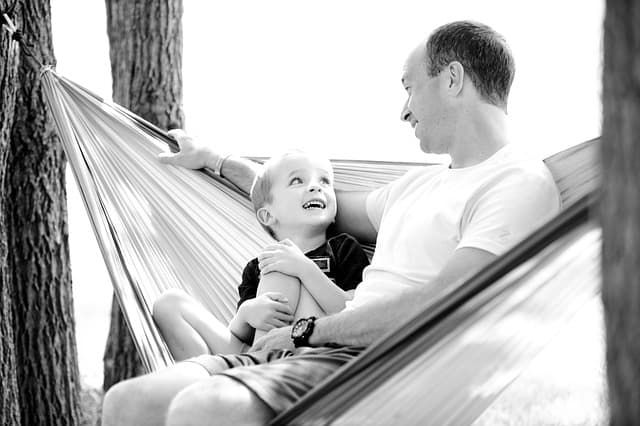
Because kids are so dependent on the family, they need to feel like they are an accepted part of it. If they’re not sure about their position in the rankings, they’ll worry that they’re not loved and secure. That’s a big problem.
As a parent, you have a lot of control over this aspect of their childhood. Research indicates that children who feel loved tend to have much higher levels of self-esteem. They develop psychological robustness from an early age, knowing that they can rely on their parents, no matter what the world throws at them. Kids who don’t have this security tend to feel much worse about themselves. They wonder about what is wrong with them and why their parents don’t seem to like them. It is a challenging experience and one that rarely goes away by itself.
Loving others is foundational to happiness. Without that sense of connection, it isn’t very easy to find meaning in life. You’re just going about your tasks day-to-day in the absence of an overriding purpose. It’s tough.
Kids, therefore, need plenty of love and support, even when their behavior gets challenging. They need to know deep down that you’re always there for them, regardless of what happens.